
When a child experiences abuse or another traumatic event, the impact can extend far beyond the experience itself. Trauma can affect how a child feels, behaves, sleeps, learns, and relates to others. Even when a child is physically safe, the emotional effects of trauma can continue to influence daily life.
At the Emerald Coast Children’s Advocacy Center (ECCAC), trauma-focused therapy is an important part of helping children heal. One evidence-based approach that may be used in trauma treatment is Eye Movement Desensitization and Reprocessing, commonly known as EMDR.
What Is EMDR Therapy?
EMDR is a structured form of psychotherapy designed to help people process distressing memories and experiences. It is based on the understanding that traumatic experiences can sometimes remain difficult to process, contributing to ongoing emotional distress.
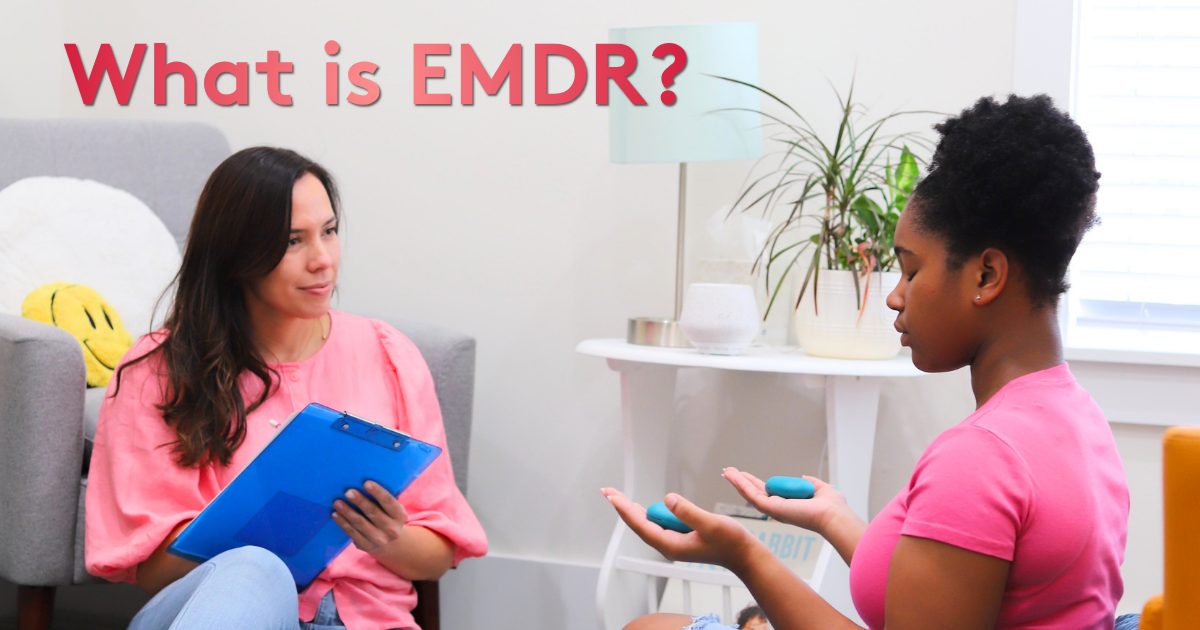
During EMDR therapy, a trained therapist helps a client recall aspects of a distressing experience while engaging in bilateral stimulation, such as guided eye movements, alternating sounds, or gentle tapping.
The process is conducted in a controlled, therapeutic environment. The goal is to help the brain process traumatic memories in a way that reduces their emotional intensity and helps the individual develop healthier responses to reminders of the experience.
EMDR does not erase memories or change what happened. Instead, it can help reduce the distress associated with those memories so they become easier to manage.
How Can EMDR Help Children Who Have Experienced Trauma?
Children may respond to trauma in many different ways. Some experience anxiety, nightmares, difficulty concentrating, or heightened fear. Others may become withdrawn, struggle with emotional regulation, or react strongly to situations that remind them of what happened.
Young children may not have the words to explain what they are feeling. Their distress may instead appear through changes in behavior, sleep, relationships, or their ability to feel safe.
For children who are appropriate candidates for EMDR, therapy can help them process distressing experiences and reduce the emotional responses connected to traumatic memories.
With support from a qualified therapist, children may work toward feeling safer, managing difficult emotions, and participating more comfortably in everyday activities.
Every child is different, and treatment is tailored to the child’s developmental level, needs, history, and readiness.
What Does an EMDR Session Look Like?
A child’s safety and comfort are central to trauma-focused therapy. EMDR is not simply a matter of asking a child to revisit a painful experience. Treatment involves preparation, trust, and ongoing support from a trained mental health professional.
Depending on the child’s needs, the process may include:
- Building a therapeutic relationship. The therapist establishes trust and helps the child feel comfortable in the therapy environment.
- Developing coping skills. Before processing difficult memories, the child may learn strategies for managing distress, regulating emotions, and feeling grounded.
- Processing traumatic memories. When the child is ready, the therapist guides the EMDR process at a pace appropriate for the child’s needs and developmental level.
- Strengthening positive beliefs and coping. Therapy can help children develop a greater sense of safety, confidence, and control.
- Monitoring progress. The therapist evaluates the child’s responses and adjusts treatment as needed.
Not every child will follow the same process or receive EMDR. A qualified clinician determines whether this approach is appropriate and whether other therapeutic methods may better meet the child’s needs.
Why Specialized, Trauma-Informed Care Matters
Children who have experienced abuse deserve care that recognizes the effects of trauma and respects their individual experiences.
Trauma-informed treatment prioritizes emotional and physical safety, builds trust, and avoids placing unnecessary pressure on children to discuss experiences before they are ready.
At ECCAC, children and families can access trauma-focused therapy as part of a broader response to child abuse. By bringing advocacy, therapy, and other coordinated services together, ECCAC helps families connect with support during an especially difficult time.
Healing is not always immediate or straightforward. Progress may look different for every child, and recovery can take time. Access to appropriate, compassionate care can help children build the skills and support they need to move forward.
Healing Is Possible
A traumatic experience does not have to define a child’s future.
Evidence-based therapies such as EMDR may help children process distressing memories, manage emotional responses, and regain a sense of safety. With the support of trained professionals and caring adults, children can begin to move beyond survival and toward healing.
At the Emerald Coast Children’s Advocacy Center, our mission is to empower children, restore hope, and prevent abuse through advocacy, therapy, and prevention education.
Because every child deserves a childhood.
Learn More About ECCAC
The Emerald Coast Children’s Advocacy Center serves children with reported cases of abuse or neglect in Okaloosa and Walton Counties. Our services include advocacy, trauma-focused therapy, and child abuse prevention education, provided at no cost to the children and families we serve.
To learn more about ECCAC and the services available to children and families, visit our website or contact our team.