
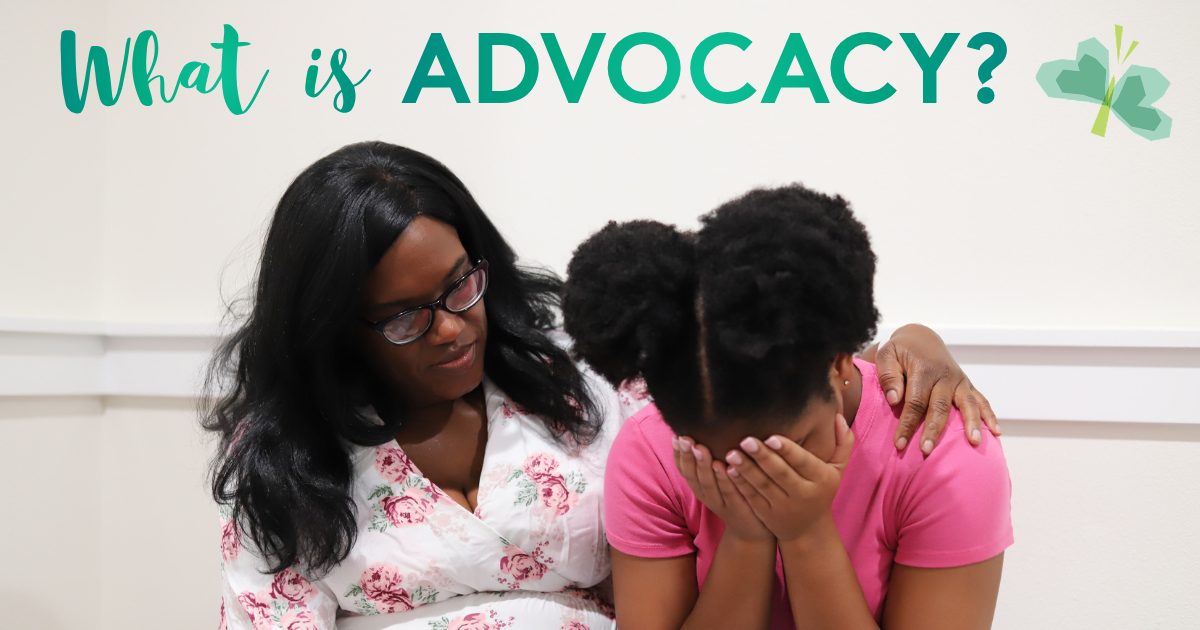
When a child experiences abuse, the effects can reach far beyond the moment the abuse occurs. A child may suddenly find themselves involved with law enforcement, child protective services, medical providers, therapists, attorneys, and other professionals. For a child already navigating fear, confusion, or uncertainty, this process can feel overwhelming.
That is where a child advocate comes in.
At the Emerald Coast Children’s Advocacy Center, our advocates walk alongside children and their families throughout the process, helping ensure that the child’s needs, safety, and well-being remain at the center of everything we do.
What Does a Child Advocate Do?
A child advocate serves as a consistent, supportive presence for a child and their caregivers during an incredibly difficult time.
Advocates help children and families understand what is happening, connect them with resources, and navigate the many systems involved in a child abuse investigation. They may communicate with caregivers, coordinate services, provide crisis support, help families understand their rights and options, and assist with safety planning.
Most importantly, they help make sure families do not have to navigate this process alone.
The work is both practical and deeply personal. An advocate may be helping a caregiver understand the next step in an investigation one moment and sitting quietly with a child who simply needs to know that a safe adult is nearby the next.
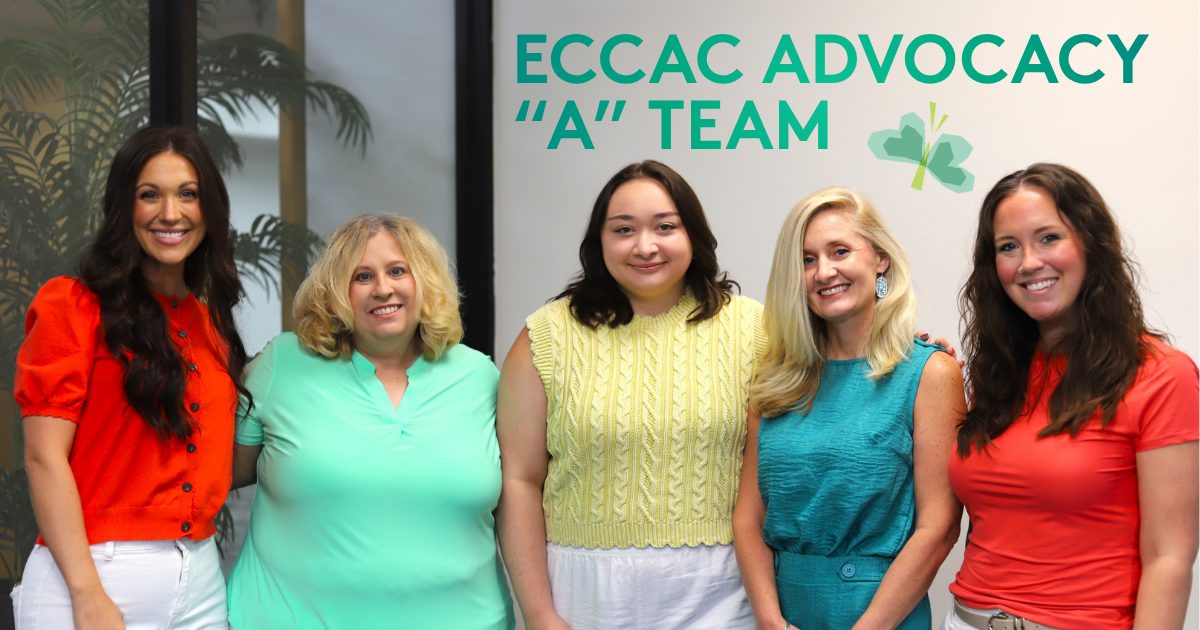
A Child Should Never Have to Navigate This Alone
Children who come to ECCAC may be facing circumstances they never expected to encounter. They may be asked difficult questions, meet unfamiliar professionals, or experience changes in their home and family life.
Throughout that process, consistency matters.
A child advocate can become a familiar face and a trusted source of support. They can answer questions in an age-appropriate way, help reduce uncertainty, and remind children and caregivers that there are people who are there to help.
Advocacy is not about telling a child what to feel or what to do. It is about creating a safe space where children can be heard, supported, and connected to the resources they need.
Supporting the Whole Family
Child abuse impacts more than the child. Caregivers may be experiencing their own fear, anger, confusion, or uncertainty while trying to support the child they love.
Advocates work with caregivers as well, helping them understand available services and resources and providing support as they navigate the process.
This may include connecting families with counseling, community resources, financial assistance, medical services, or other forms of support.
When caregivers feel supported and informed, they are better equipped to provide stability for their children.
Advocacy Is Part of a Larger Path to Healing
At ECCAC, advocacy is one part of a comprehensive, child-centered response to abuse.
Children may receive trauma-focused therapy to help them process their experiences and develop healthy ways to cope. They may participate in a forensic interview conducted by a trained professional in a developmentally appropriate environment. Our team also works alongside partner agencies involved in the investigation and response.
These services are coordinated so that children and families can receive the support they need in one child-friendly environment.
The goal is not simply to respond to what has happened. It is to help children move forward.
Being a Safe, Consistent Adult Matters
For some children, an advocate may be one of the first adults they encounter after disclosing abuse who is there specifically to support them.
That responsibility matters.
A child advocate does not erase what happened. They cannot undo the trauma a child has experienced. But they can help make the path forward feel less frightening and less lonely.
They can listen. They can explain. They can connect. They can advocate.
And sometimes, they can simply be the consistent adult who shows up and reminds a child that they are worthy of care, protection, and support.
Because every child deserves a childhood, and every child deserves adults who will stand beside them when they need it most.