Archive for the ‘Uncategorized’ Category

Building a Better, Healthier Future Through Child Abuse Prevention Education

Posted on

Child abuse prevention begins with awareness, education, and empowerment. When children have the knowledge to recognize unsafe situations and the confidence to speak up, they gain important tools to help protect themselves.

At the Emerald Coast Children’s Advocacy Center (ECCAC), our In-School Prevention Team works to build a safer future by bringing child safety education directly to students in kindergarten through fifth grade across Okaloosa and Walton Counties.

Through classroom lessons and community outreach, our Community Outreach Advocates help children understand personal safety while equipping adults with the knowledge and resources to recognize and respond to concerns about child abuse.

Empowering Children Through Safety Education

ECCAC’s Community Outreach Advocates provide in-person training to K–5 students in the Okaloosa and Walton County School Districts using the Monique Burr Foundation for Children’s Safety Matters curriculum.

These engaging, interactive lessons introduce children to important concepts related to personal safety, recognizing unsafe situations, identifying safe adults, and speaking up when something does not feel right.

Children learn strategies for recognizing potentially unsafe relationships and understanding where they can turn for help. The lessons also encourage disclosure by helping children understand that they can use their voices and speak with a trusted adult when they have concerns.

This education is designed to empower children without placing the responsibility for preventing abuse on them. Protecting children remains an adult responsibility, and prevention education is one important part of creating safer environments.

Since the program’s implementation in 2017, ECCAC’s prevention team has delivered thousands of lessons to children and received numerous disclosures of abuse. During the 2024–2025 school year alone, the team delivered 1,040 prevention lessons and reached 19,336 students across the community.

Each lesson represents an opportunity to reinforce personal safety, build awareness, and help children understand where they can turn for support.

Breaking the Cycle Through Community Education

Preventing child abuse takes more than classroom instruction. It requires informed adults, strong community partnerships, and a shared commitment to protecting children.

ECCAC’s prevention team participates in community, school, and public events to raise awareness and help community members understand their role in child safety.

Through free training sessions and informal presentations, the team provides education on topics such as mandated reporting, cell phone and internet safety, safe sleep, and other child safety concerns.

This outreach helps parents, caregivers, educators, and other community members recognize potential risks and better understand how to respond when a child may be unsafe.

By sharing knowledge and encouraging action, ECCAC helps strengthen the network of adults working to protect children throughout our community.

Prevention Is a Community Responsibility

Every child deserves to grow up in a safe environment surrounded by adults who listen, recognize concerns, and take action when necessary.

Families can support prevention efforts by maintaining open communication with children, teaching age-appropriate personal safety concepts, identifying trusted adults, and reassuring children that they can speak up when something makes them uncomfortable.

Community members can also help by learning the signs of abuse, understanding their responsibilities as mandated reporters when applicable, and knowing how to report concerns.

When children are empowered with age-appropriate safety knowledge and adults are equipped to respond, our community is better positioned to recognize concerns and connect children with support.

Building a Safer Future for Every Child

ECCAC’s In-School Prevention Team is working to build a better, healthier future through education, awareness, and empowerment. From interactive classroom lessons to community training, these efforts help make child safety a shared priority across Okaloosa and Walton Counties.

Prevention is an ongoing commitment. Every lesson creates an opportunity to build awareness, every training can equip another protective adult, and every child deserves to know that their voice matters.

Because every child deserves a childhood.

Help Us Keep Children Safe

The Emerald Coast Children’s Advocacy Center provides advocacy, trauma-focused therapy, and prevention education for children in Okaloosa and Walton Counties at no cost to the children and families we serve.

Learn more about ECCAC’s programs and how you can support our mission to empower, restore, and prevent.
Understanding EMDR Therapy: Helping Children Process Trauma and Heal

Posted on

When a child experiences abuse or another traumatic event, the impact can extend far beyond the experience itself. Trauma can affect how a child feels, behaves, sleeps, learns, and relates to others. Even when a child is physically safe, the emotional effects of trauma can continue to influence daily life.

At the Emerald Coast Children’s Advocacy Center (ECCAC), trauma-focused therapy is an important part of helping children heal. One evidence-based approach that may be used in trauma treatment is Eye Movement Desensitization and Reprocessing, commonly known as EMDR.

What Is EMDR Therapy?

EMDR is a structured form of psychotherapy designed to help people process distressing memories and experiences. It is based on the understanding that traumatic experiences can sometimes remain difficult to process, contributing to ongoing emotional distress.

During EMDR therapy, a trained therapist helps a client recall aspects of a distressing experience while engaging in bilateral stimulation, such as guided eye movements, alternating sounds, or gentle tapping.

The process is conducted in a controlled, therapeutic environment. The goal is to help the brain process traumatic memories in a way that reduces their emotional intensity and helps the individual develop healthier responses to reminders of the experience.

EMDR does not erase memories or change what happened. Instead, it can help reduce the distress associated with those memories so they become easier to manage.

How Can EMDR Help Children Who Have Experienced Trauma?

Children may respond to trauma in many different ways. Some experience anxiety, nightmares, difficulty concentrating, or heightened fear. Others may become withdrawn, struggle with emotional regulation, or react strongly to situations that remind them of what happened.

Young children may not have the words to explain what they are feeling. Their distress may instead appear through changes in behavior, sleep, relationships, or their ability to feel safe.

For children who are appropriate candidates for EMDR, therapy can help them process distressing experiences and reduce the emotional responses connected to traumatic memories.

With support from a qualified therapist, children may work toward feeling safer, managing difficult emotions, and participating more comfortably in everyday activities.

Every child is different, and treatment is tailored to the child’s developmental level, needs, history, and readiness.

What Does an EMDR Session Look Like?

A child’s safety and comfort are central to trauma-focused therapy. EMDR is not simply a matter of asking a child to revisit a painful experience. Treatment involves preparation, trust, and ongoing support from a trained mental health professional.

Depending on the child’s needs, the process may include:

  • Building a therapeutic relationship. The therapist establishes trust and helps the child feel comfortable in the therapy environment.
  • Developing coping skills. Before processing difficult memories, the child may learn strategies for managing distress, regulating emotions, and feeling grounded.
  • Processing traumatic memories. When the child is ready, the therapist guides the EMDR process at a pace appropriate for the child’s needs and developmental level.
  • Strengthening positive beliefs and coping. Therapy can help children develop a greater sense of safety, confidence, and control.
  • Monitoring progress. The therapist evaluates the child’s responses and adjusts treatment as needed.

Not every child will follow the same process or receive EMDR. A qualified clinician determines whether this approach is appropriate and whether other therapeutic methods may better meet the child’s needs.

Why Specialized, Trauma-Informed Care Matters

Children who have experienced abuse deserve care that recognizes the effects of trauma and respects their individual experiences.

Trauma-informed treatment prioritizes emotional and physical safety, builds trust, and avoids placing unnecessary pressure on children to discuss experiences before they are ready.

At ECCAC, children and families can access trauma-focused therapy as part of a broader response to child abuse. By bringing advocacy, therapy, and other coordinated services together, ECCAC helps families connect with support during an especially difficult time.

Healing is not always immediate or straightforward. Progress may look different for every child, and recovery can take time. Access to appropriate, compassionate care can help children build the skills and support they need to move forward.

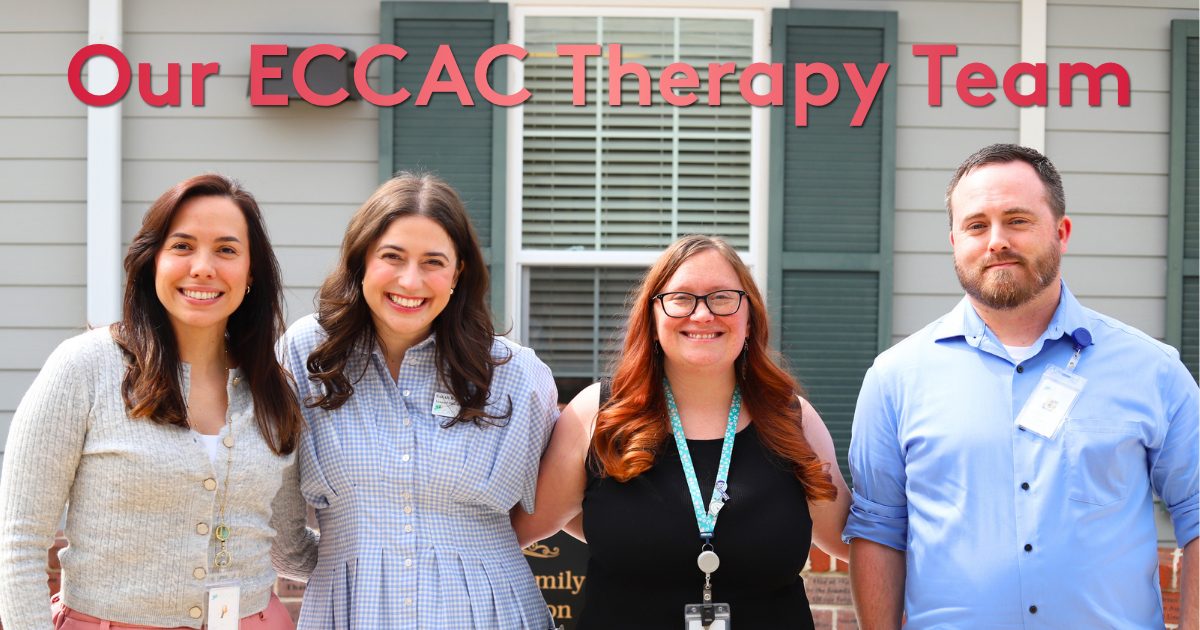
The ECCAC Therapy team

Healing Is Possible

A traumatic experience does not have to define a child’s future.

Evidence-based therapies such as EMDR may help children process distressing memories, manage emotional responses, and regain a sense of safety. With the support of trained professionals and caring adults, children can begin to move beyond survival and toward healing.

At the Emerald Coast Children’s Advocacy Center, our mission is to empower children, restore hope, and prevent abuse through advocacy, therapy, and prevention education.

Because every child deserves a childhood.

Learn More About ECCAC

The Emerald Coast Children’s Advocacy Center serves children with reported cases of abuse or neglect in Okaloosa and Walton Counties. Our services include advocacy, trauma-focused therapy, and child abuse prevention education, provided at no cost to the children and families we serve.

To learn more about ECCAC and the services available to children and families, visit our website or contact our team.

The Role of a Child Advocate: A Consistent Adult Through Crisis and Healing

Posted on

When a child experiences abuse, the effects can reach far beyond the moment the abuse occurs. A child may suddenly find themselves involved with law enforcement, child protective services, medical providers, therapists, attorneys, and other professionals. For a child already navigating fear, confusion, or uncertainty, this process can feel overwhelming.

That is where a child advocate comes in.

At the Emerald Coast Children’s Advocacy Center, our advocates walk alongside children and their families throughout the process, helping ensure that the child’s needs, safety, and well-being remain at the center of everything we do.

What Does a Child Advocate Do?

A child advocate serves as a consistent, supportive presence for a child and their caregivers during an incredibly difficult time.

Advocates help children and families understand what is happening, connect them with resources, and navigate the many systems involved in a child abuse investigation. They may communicate with caregivers, coordinate services, provide crisis support, help families understand their rights and options, and assist with safety planning.

Most importantly, they help make sure families do not have to navigate this process alone.

The work is both practical and deeply personal. An advocate may be helping a caregiver understand the next step in an investigation one moment and sitting quietly with a child who simply needs to know that a safe adult is nearby the next.

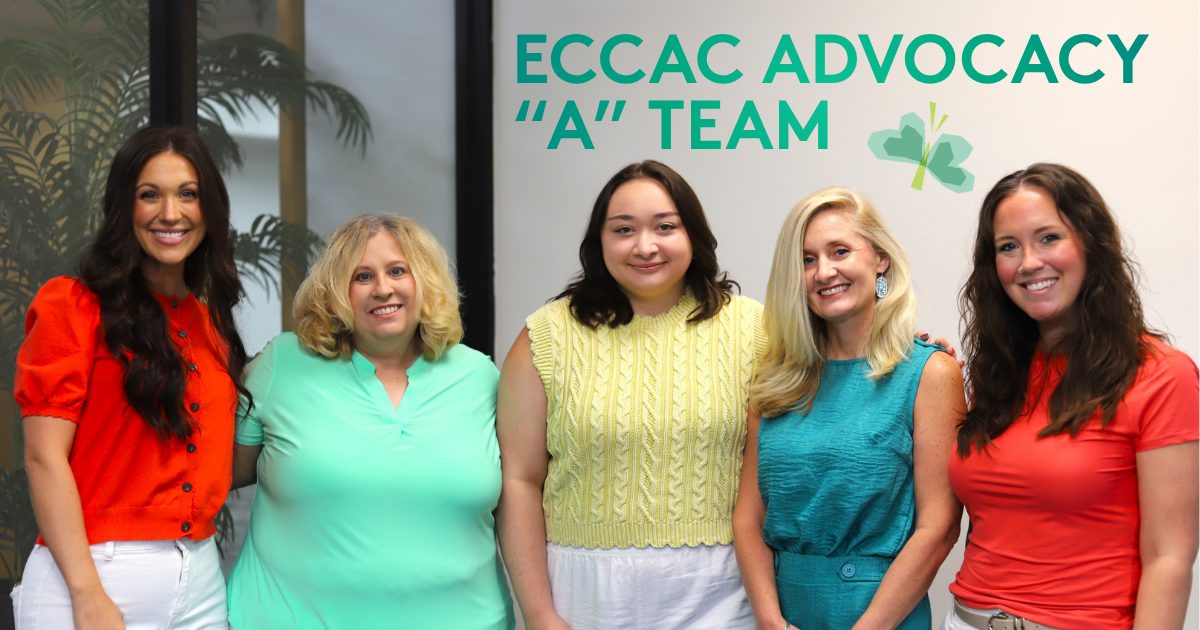
The ECCAC Advocacy team

A Child Should Never Have to Navigate This Alone

Children who come to ECCAC may be facing circumstances they never expected to encounter. They may be asked difficult questions, meet unfamiliar professionals, or experience changes in their home and family life.

Throughout that process, consistency matters.

A child advocate can become a familiar face and a trusted source of support. They can answer questions in an age-appropriate way, help reduce uncertainty, and remind children and caregivers that there are people who are there to help.

Advocacy is not about telling a child what to feel or what to do. It is about creating a safe space where children can be heard, supported, and connected to the resources they need.

Supporting the Whole Family

Child abuse impacts more than the child. Caregivers may be experiencing their own fear, anger, confusion, or uncertainty while trying to support the child they love.

Advocates work with caregivers as well, helping them understand available services and resources and providing support as they navigate the process.

This may include connecting families with counseling, community resources, financial assistance, medical services, or other forms of support.

When caregivers feel supported and informed, they are better equipped to provide stability for their children.

Advocacy Is Part of a Larger Path to Healing

At ECCAC, advocacy is one part of a comprehensive, child-centered response to abuse.

Children may receive trauma-focused therapy to help them process their experiences and develop healthy ways to cope. They may participate in a forensic interview conducted by a trained professional in a developmentally appropriate environment. Our team also works alongside partner agencies involved in the investigation and response.

These services are coordinated so that children and families can receive the support they need in one child-friendly environment.

The goal is not simply to respond to what has happened. It is to help children move forward.

Being a Safe, Consistent Adult Matters

For some children, an advocate may be one of the first adults they encounter after disclosing abuse who is there specifically to support them.

That responsibility matters.

A child advocate does not erase what happened. They cannot undo the trauma a child has experienced. But they can help make the path forward feel less frightening and less lonely.

They can listen. They can explain. They can connect. They can advocate.

And sometimes, they can simply be the consistent adult who shows up and reminds a child that they are worthy of care, protection, and support.

Because every child deserves a childhood, and every child deserves adults who will stand beside them when they need it most.